Your Norfolk roof could be cutting your electricity bill.
If your home has usable roof space, solar can turn it into electricity you would otherwise have to buy. We assess the property, size the system and show the projected generation before you decide.
No cost to ask and no obligation to proceed. Payment routes are available to those who qualify.
No cost to ask and no obligation to proceed. Payment routes are available to those who qualify.
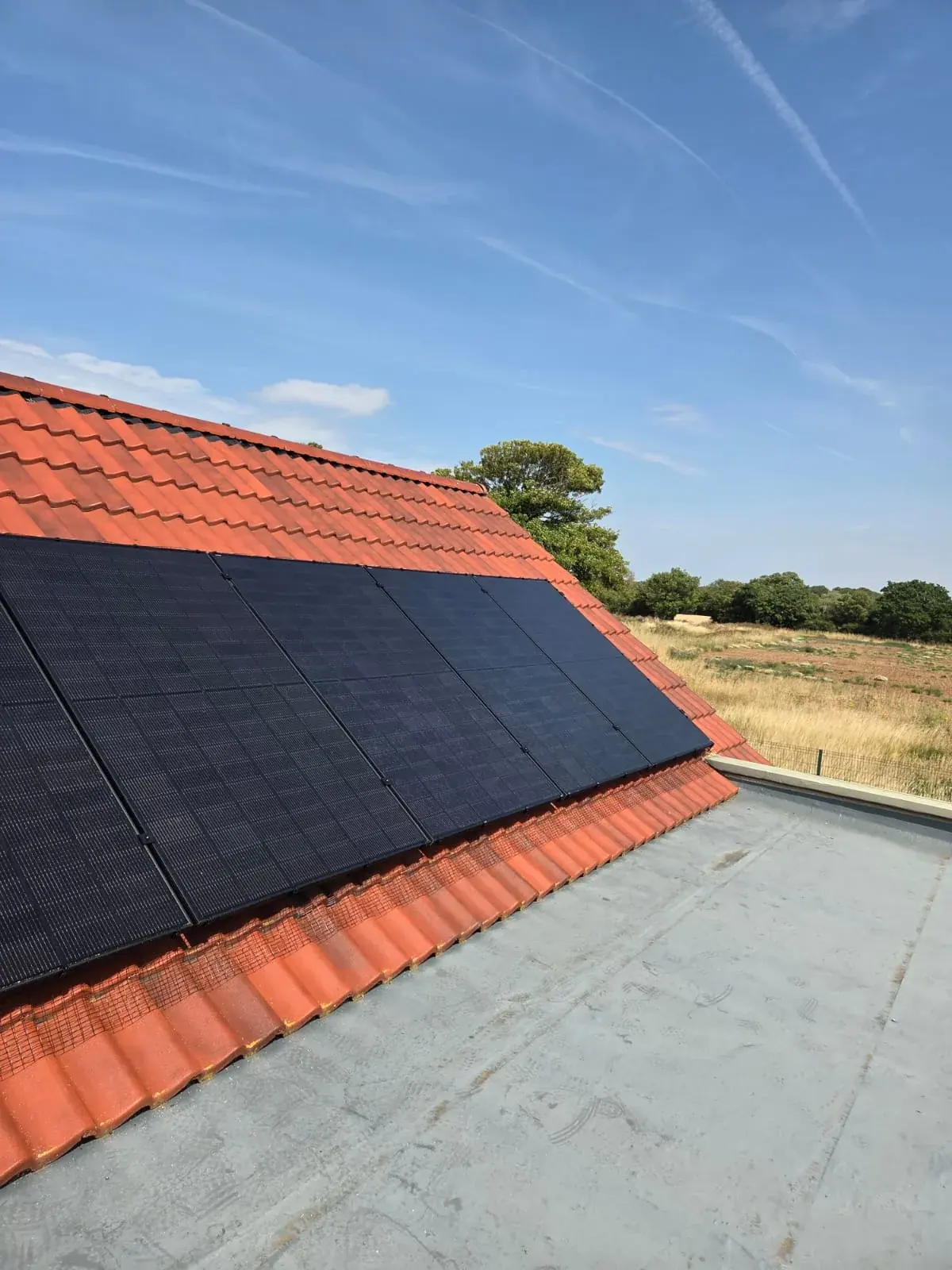
Plenty of Norfolk homes have more than a roof to work with: a garage, a barn, a bit of land. Find out how much of your electricity bill that space could cover.
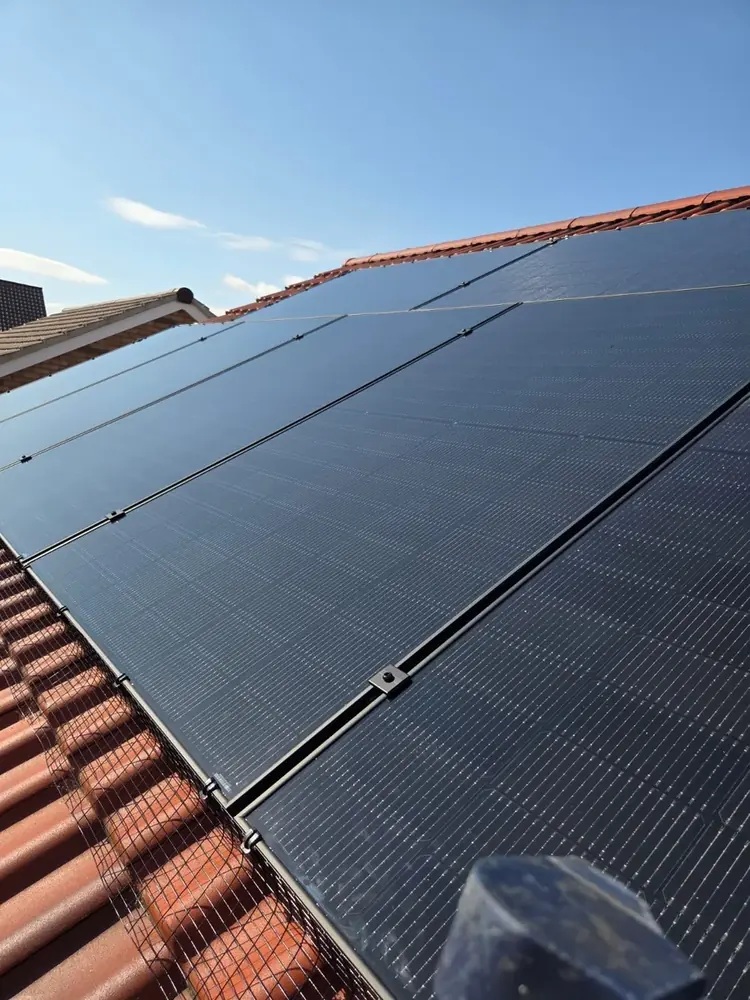
Real Norfolk roofs, with and without a battery.
From Norwich to Hunstanton, each roof and household called for a different system. Each card is a real Norfolk install, with the benefit for its first year worked out for that home when it was fitted.
Marylin W.
Hunstanton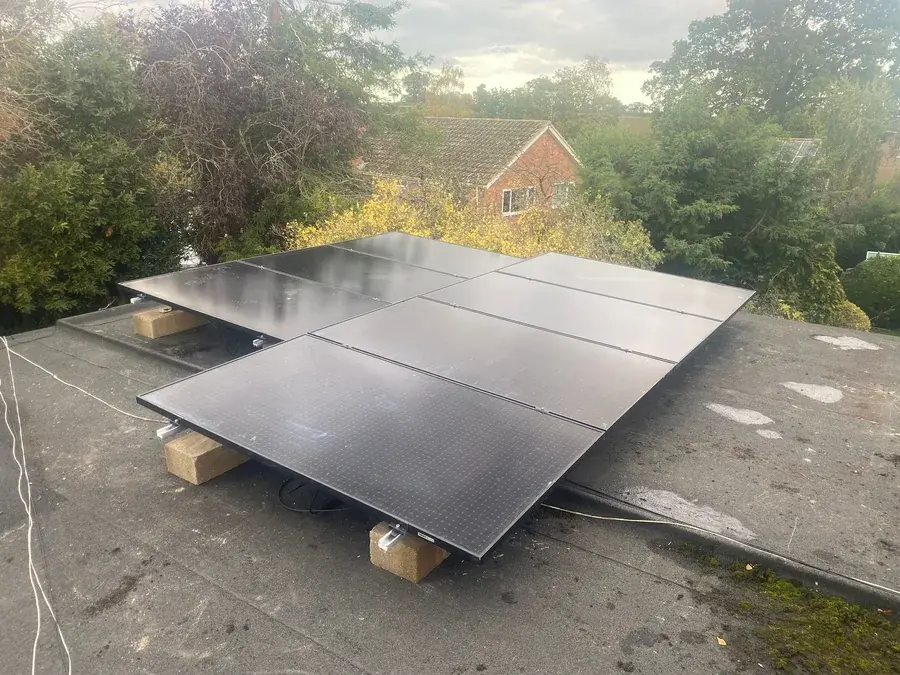
Dean A.
Chedgrave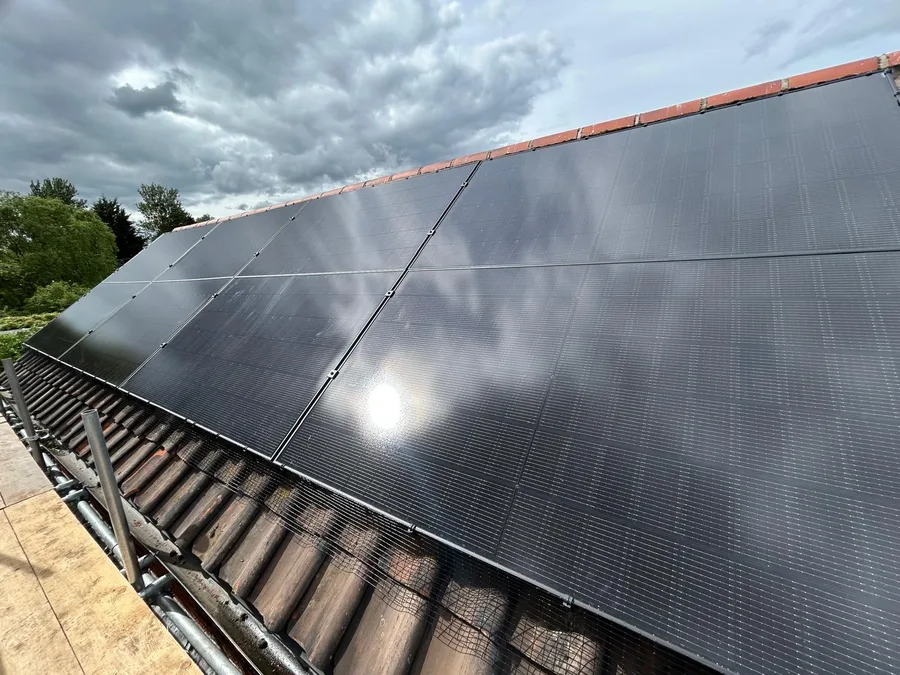
Kev K.
King’s Lynn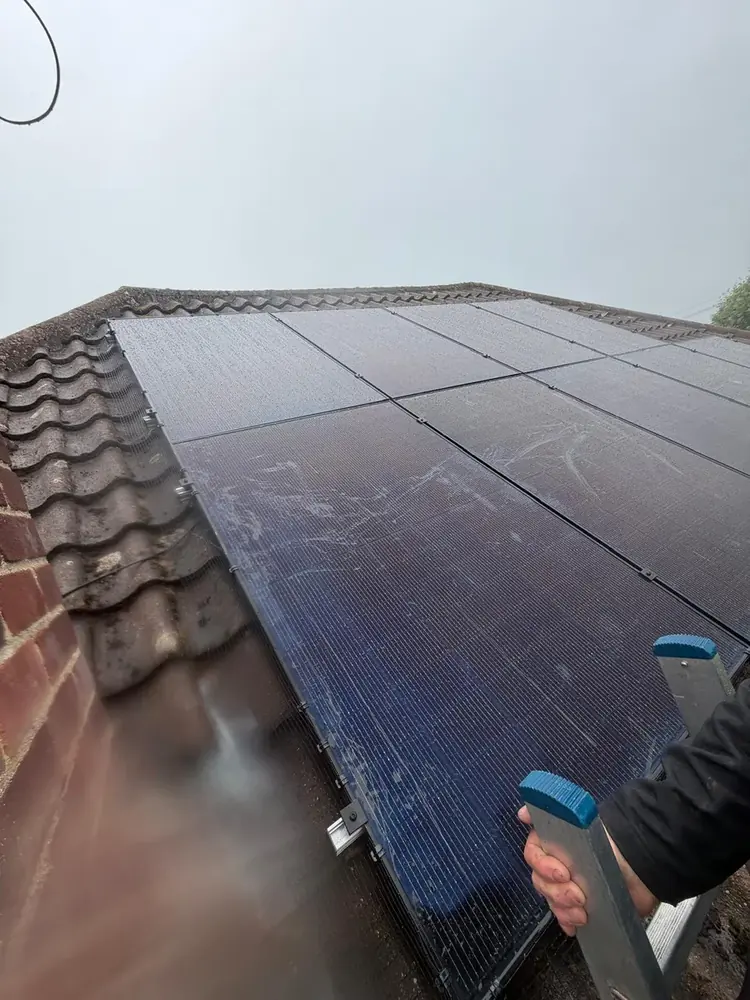
Gaynor & Craig C.
Norwich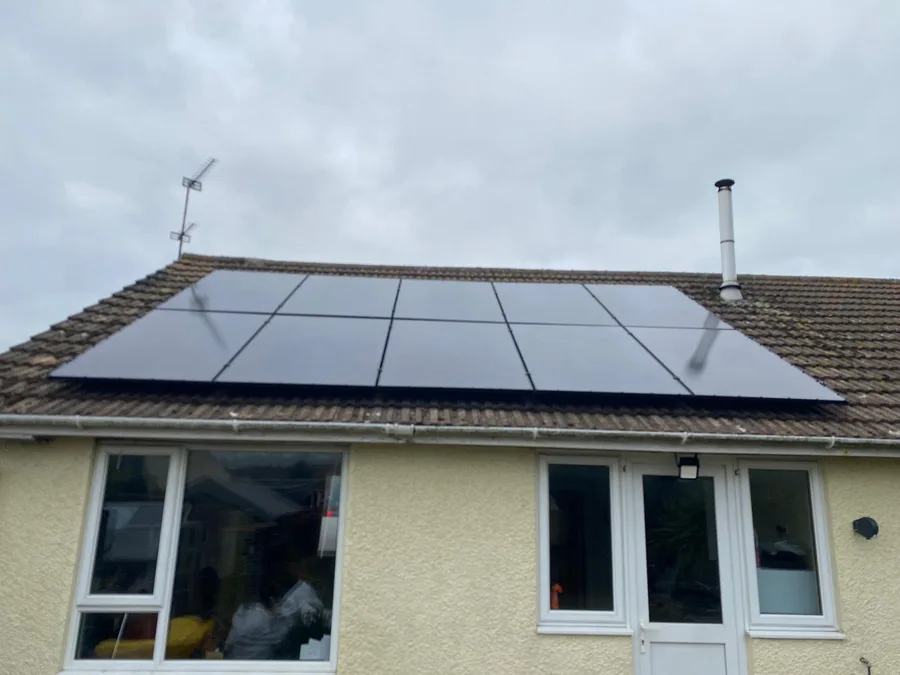
Roy T.
Norwich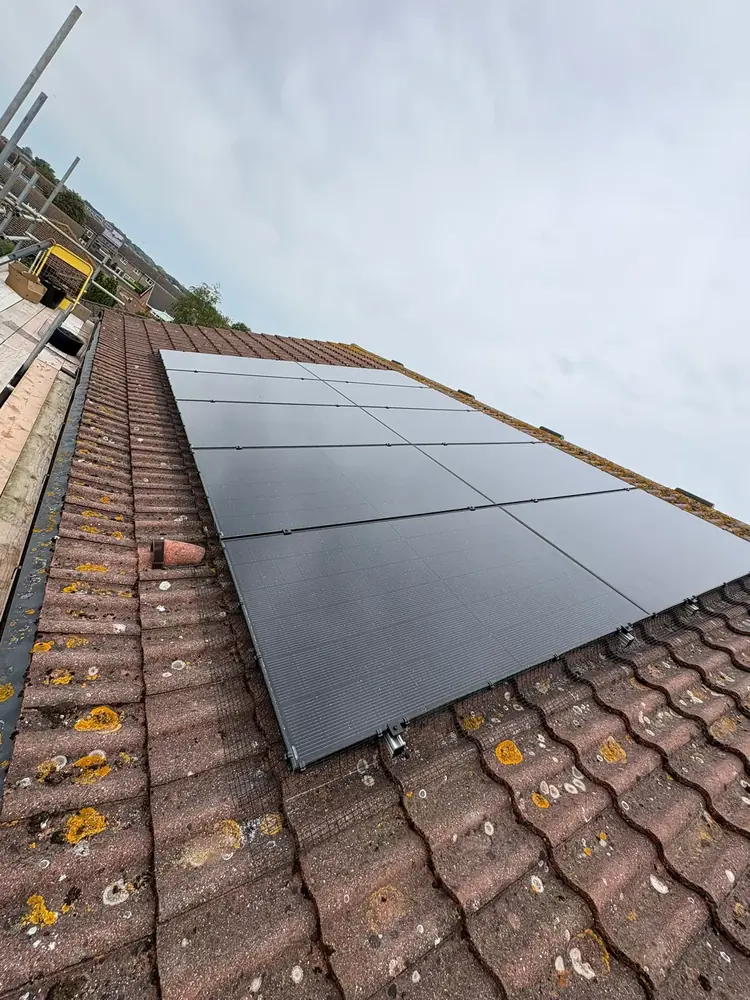
Malcolm C.
GorlestonFour of these homes have a battery and three are solar-only. The system follows the household, not a fixed package.
Figures are the estimated first-year benefit calculated for each customer's own system at the time of installation, based on MCS-standard assessment methodology. They are estimates, not guarantees, so actual savings vary with household usage, weather and electricity prices.
A bigger roof gives you options, not an instruction to fill it.
The aim is not the most panels you can fit. It is a system that matches what your home uses and the space you have. On many Norfolk properties that means the roof, and sometimes an outbuilding or a stretch of ground as well.
The house roof
The simplest and usually the most cost-effective place, where there is enough clear, unshaded space.
An outbuilding
A garage, barn or workshop roof can take panels where the house roof is awkward, shaded or small.
Open ground
With more land, a ground-mounted array becomes an option, and Norfolk's flat, open ground keeps access and groundwork simple.
Your demand
We size to what the household actually uses, then tell you if the space you have is more than you need.
Not every option suits every property, and the survey decides what is practical.
Store daytime generation for later.
Solar that fits your space
Panels sized to your demand and the space available, with the layout worked out from your roof. See your roof, outbuilding and ground options.
A battery with evening logic
Panels peak in the middle of the day, when many homes use the least. A battery moves some of that into the evening, sized to your actual use.
Solar-aware EV charging
A home charger that can take surplus solar first, so the car becomes part of the same plan rather than a separate purchase.
Where the money comes off your bill.
Panels produce whenever there is daylight, and the house draws on them before it draws on the grid. Whatever your roof supplies directly is electricity you do not pay your supplier for.
Use it
Each unit the house takes straight from the panels is one it does not buy at the retail rate.
Store it
A battery can hold some daytime generation for the evening, when demand is higher.
Export it
Surplus the house cannot use can potentially be sold back through a Smart Export Guarantee tariff.
See your numbers
Your roof check covers your actual property and household, not a county average or a blanket percentage.
Paying in full is only one way to go.
After the system is designed, ask which monthly payment plans and no-upfront routes you qualify for. Your proposal should show price, projected benefit and payment route on separate lines, so each stands on its own.
Pay outright
One payment, and the system is yours from day one.
Monthly payments
Fixed monthly repayments on qualifying finance. A longer term means a smaller monthly figure and a larger total cost of credit.
No-upfront and 0% routes
Some customers can start with no upfront cost, and selected short-term 0% offers appear from time to time. Eligibility and availability vary, so ask once your system is priced.
Scheduling nearby jobs together can reduce travel and set-up.
Check whether a Norfolk group-installation offer is running. Put your postcode in your roof check request and we will tell you if anything applies locally.
Finance is subject to status, affordability and lender approval. The installation team behind Norfolk Solar acts as a credit broker, not a lender. Asking about payment options is not a finance application and won't affect your credit file.
Pantile roofs need the right fixings, not a generic bracket.
Many older Norfolk homes are roofed in S-shaped clay pantiles rather than flat concrete tiles. They need mounting hooks made for that curve and a fitter who has worked with the profile, or the panels sit proud and tiles can crack. We check the tile type and its condition at every survey, before anything is quoted.
What stands behind the proposal.
Behind Norfolk Solar is an installation team with more than 10,000 completed installations. It holds the accreditations below, not the Norfolk Solar brand itself.
MCS
Recognised installation and certification standards for small-scale renewable systems.
TrustMark
A government-endorsed quality scheme for work carried out in and around the home.
HIES
Consumer protection, including eligible deposit and workmanship safeguards under the scheme terms.
EPVS
Independent checks on qualifying performance estimates and proposal assumptions.
Hardware and accreditation.
 Eurener
 Fox ESS
 Duracell
 Growatt
 MCS
 TrustMark
 HIES
 EPVS
What happens when you check your roof.
Tell us about your home
A few quick questions cover the property, how much electricity you use and any EV or heat pump you plan to add.
We check suitability
We assess whether the roof, outbuildings or land justify a survey, and someone from the team may reach out to fill any gaps.
You see the numbers
A surveyor comes to the property, and your proposal then states the system size, expected generation, warranty cover and payment routes.
You decide
Asking commits you to nothing. If you go ahead, most installs take one to two days.
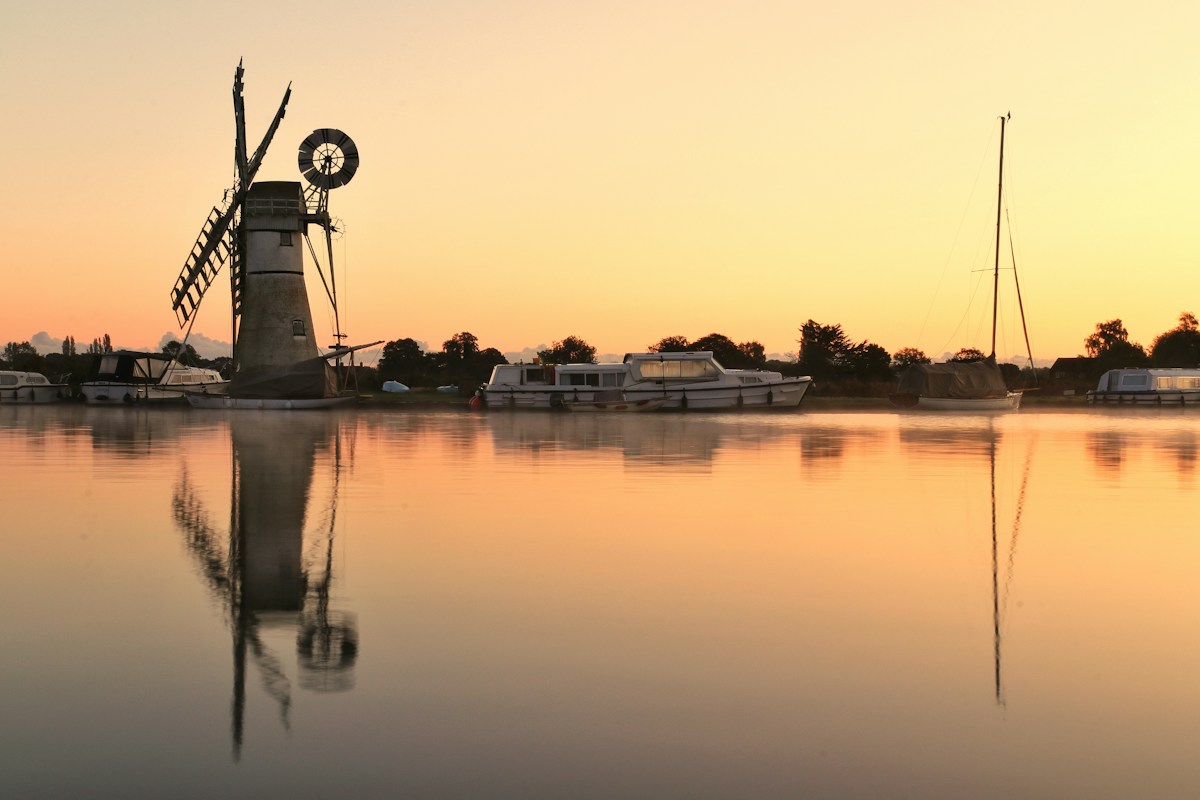
Installing across Norfolk.
Norwich and the area around it, North Norfolk, King's Lynn and the west, Great Yarmouth and the east, and south Norfolk are all covered. Enter your postcode in the roof check and we will confirm coverage.
Roof, barn or paddock? Your questions.
Is ground-mounted solar an option?
Often, on a larger plot. A small, shaded or awkward house roof can make a ground array the smarter choice, and Norfolk's flat, open land keeps access and groundwork easy. The survey says what suits your property, and designated areas bring planning rules of their own.
Can an outbuilding be used?
Frequently. A garage, barn or workshop with a sound roof and good exposure can carry panels, sometimes with a shorter or simpler run to the array than the house would need. We check the roof's condition, orientation and how it ties into your supply.
How are longer cable routes handled on rural properties?
When the array or charger sits well away from the consumer unit, the length and route of the cable shape the job. We establish it at survey and put the figure in your proposal, so the cost of the run is visible from the start.
Check your roof
Give us some detail on the property and what you are weighing up, and we will gauge likely suitability and the sensible next move.
No cost to ask and no obligation to proceed. Payment routes are available to those who qualify.
Sending this does not bind you. If the roof or land looks worth a survey, we may ask for a little more information first.