Solar panel installation for Norfolk homes and suitable larger properties.
Whether it is a terrace in Norwich, a bungalow near the coast or a farmhouse with room to spare, we work out where your panels can do the most and show you the expected numbers before you decide.
It costs nothing to ask. Payment routes depend on eligibility.
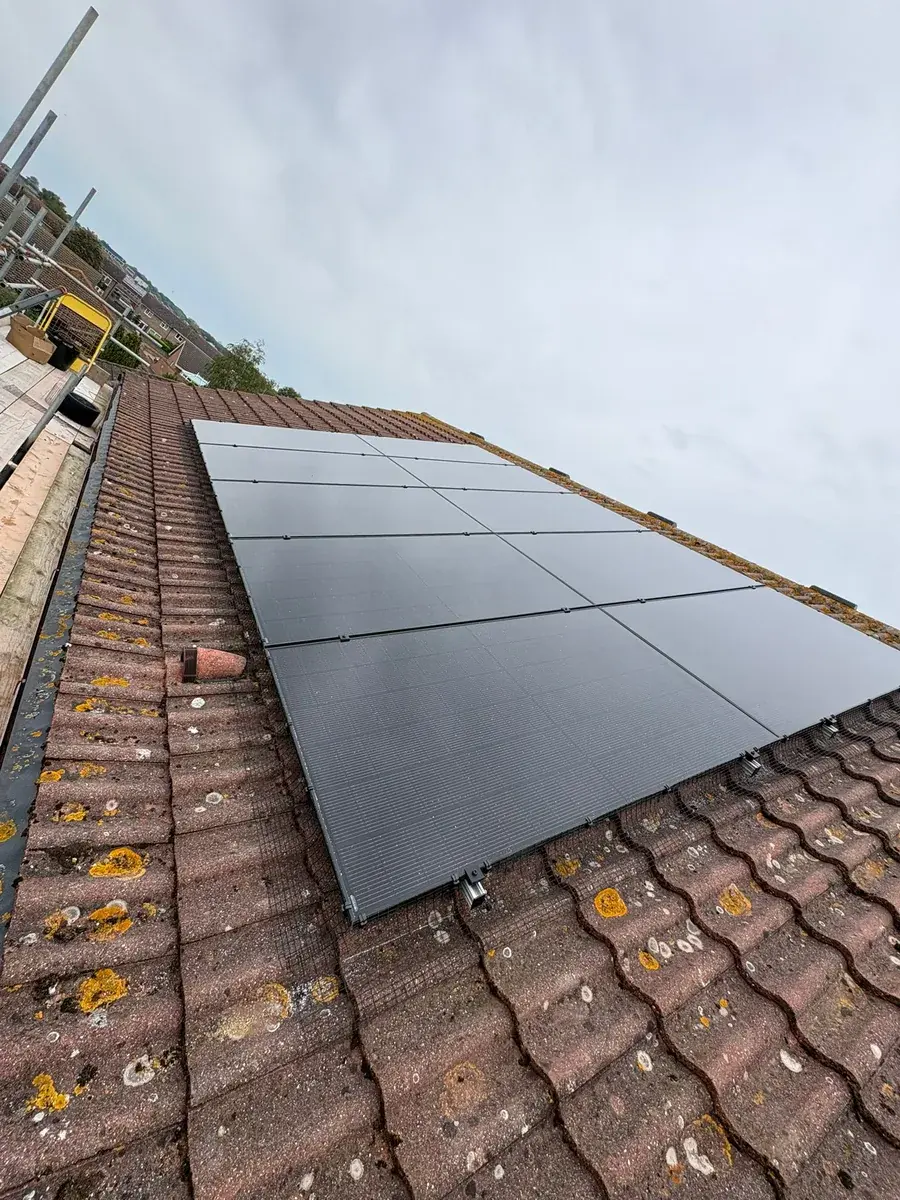 Solar panels ready for installation
How solar cuts your electricity bill.
Panels generate whenever there is daylight, and your home uses that electricity before it draws anything from the grid. Each unit that comes off the roof is one less on the bill.
A grey February day still produces something, just less than June, so the number that matters is the year's total and how much of it you use yourself. Add a battery and more of the surplus stays with you. What is left over can potentially be exported for payment.
We work it out from your property, not from a county sunshine average. See what makes a Norfolk property suitable.
Roof, outbuilding or ground?
Roof-mounted is the default for most homes, and usually the most cost-effective option where there is clear, unshaded space. Norfolk is a big agricultural county, though, and many properties sit on larger plots with outbuildings, paddocks or spare ground.
Roof-mounted
Uses space you already have and keeps installation simple. Usually the first option we look at.
Outbuilding roof
A garage, barn or workshop can carry panels where the house roof is shaded, small or awkward.
Ground-mounted
On a suitable plot, a ground array can work well, and Norfolk's flat land keeps site prep and access simple.
Not all of these suit every property, and planning rules can be tighter in designated areas. The survey establishes what is practical.
Pantiles, thatch and what they mean for fixings.
A lot of village homes still carry their original black-glazed pantiles. The S-shaped profile needs mounting brackets made for the curve rather than a standard flat-tile hook, so we check tile type and condition at every survey, not once the scaffold is up.
Thatch is a different story: it cannot carry panels, given the fixings, the weight and how insurers view it. The realistic options there are ground-mounted panels or another roof on the plot, and we go through them at the survey.
Norfolk systems we've fitted.
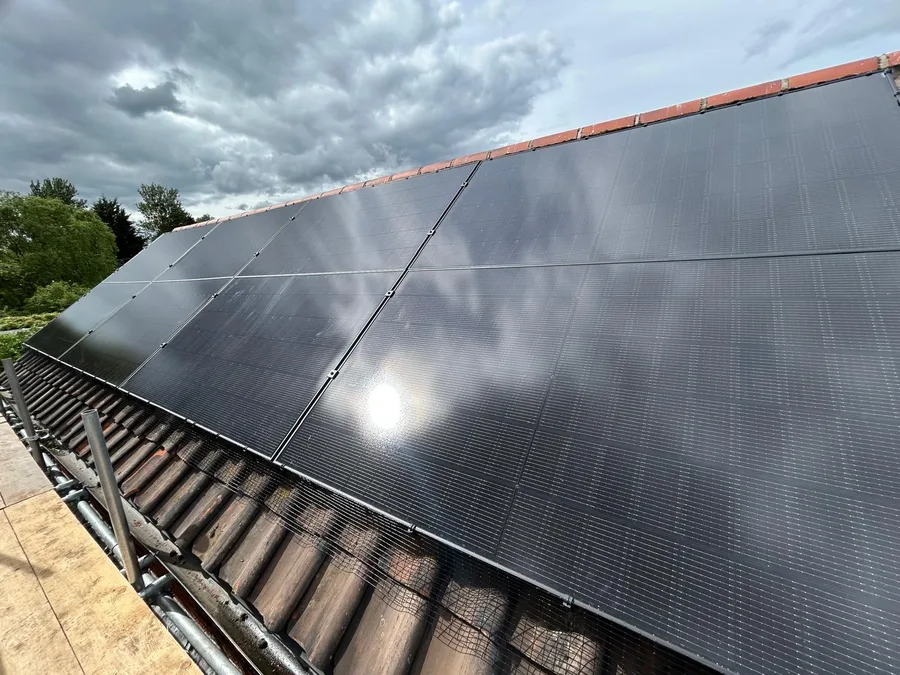
Kev K.
King’s Lynn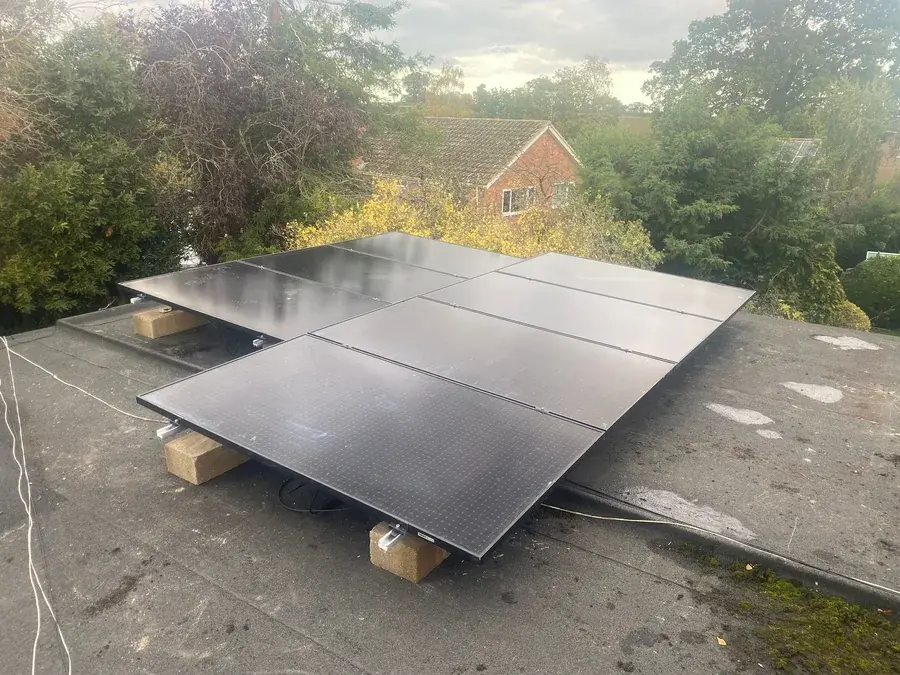
Dean A.
Chedgrave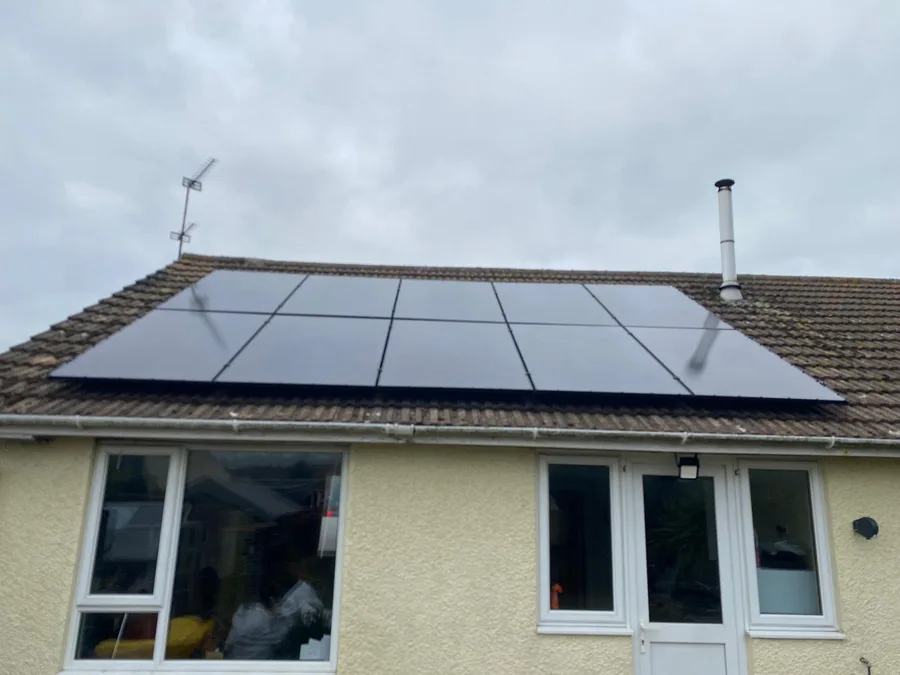
Roy T.
NorwichFigures are the estimated first-year benefit calculated for each customer's own system at the time of installation, based on MCS-standard assessment methodology. They are estimates, not guarantees, so actual savings vary with household usage, weather and electricity prices.
A battery now, or space to add one later.
Output peaks around midday, often while the house is quiet. A battery carries part of it into the evening. It is not right for every home, and a bigger one is not automatically better. If you would rather wait, the design can leave space for one later.
Several ways to pay, once the design is set.
Price and payment are easier to judge once you know what is being built. Your proposal shows the system price, the projected energy benefit and each payment route separately, so you can compare cash, monthly finance, selected short-term 0% promotions and qualifying no-upfront routes on the same numbers.
Solar and battery installations are also currently zero-rated for VAT, a relief that runs until 31 March 2027. Longer repayment terms can lower the monthly cost but increase the total cost of credit.
Installing in clusters can lower travel and preparation.
Group-installation offers come and go in Norfolk. Your postcode on the roof check tells us whether one is live near you.
Finance is subject to status, affordability and lender approval. The installation team behind Norfolk Solar acts as a credit broker, not a lender. Asking about payment options is not a finance application and won't affect your credit file.
What your Norfolk proposal should show.
Before you commit you should be able to see the assumptions behind the numbers. Expect your proposal to cover:
The system
Panels, inverter and kWp size, and where each is sited.
The output
Expected annual generation and the shading assumptions behind it.
The benefit
Roughly how much of it the household will use itself, and what is assumed for export.
The battery
Capacity and configuration, where one is included.
The protection
Warranty information and how the performance figures are checked.
The money
Project price, and finance information where you ask for it.
Where EPVS validation applies, an outside body checks the performance assumptions. The team behind Norfolk Solar holds MCS certification and TrustMark registration.
Solar questions, answered.
How long does installation take?
Most homes take a day or two, subject to system size and how easily the roof can be reached. Scaffolding normally goes up the day before, and whoever fits your system explains it before leaving.
Will I need planning permission?
In most cases no application is needed, because most Norfolk properties count as permitted development. Land inside the Norfolk Coast National Landscape is the exception, where closer scrutiny can mean permission is needed for work that would pass elsewhere. Our Norfolk planning guide shows where the line falls.
How do solar panels actually work?
Light striking the photovoltaic cells in each panel, almost always monocrystalline silicon today, creates direct current (DC). Ordinary daylight is enough, and the inverter then converts it to alternating current (AC) for appliances or feeds it to a battery.
Which inverter will I need?
A string inverter drives the whole array at the lowest cost, so it fits a simple roof free of shade. With microinverters every panel has its own little converter, which pays off when a chimney, dormer or tree throws shade across part of the roof. Designed around battery storage, a hybrid inverter is the natural choice if a battery is planned now or later.
What maintenance and warranties should I expect?
With no moving parts there is little to go wrong. A look now and then for moss, bird droppings or built-up debris is normally enough. Manufacturers typically back panels with a performance warranty of 25 years or more, plus a shorter product warranty, with our own workmanship cover on top. Your proposal confirms the exact terms.
Build the wider home-energy plan.
Battery Storage
Keep daytime generation for the evening. Compare home battery storage →
EV Charging
Put your own generation into the car. Check EV charger options →
Why Norfolk
What makes a Norfolk property suitable. Check suitability →
Check your roof
Describe the roof, any outbuilding or spare ground, and the household's electricity habits. We will tell you what size of system looks sensible.
It costs nothing to ask. Payment routes depend on eligibility.
No obligation attaches to this. If the property looks suitable, we may contact you to confirm details before drawing up a proposal.